This post can be filed under “obscure bits of information that should be easier to find”. TL;DR: DSS stands for Dominion Structural Steel.
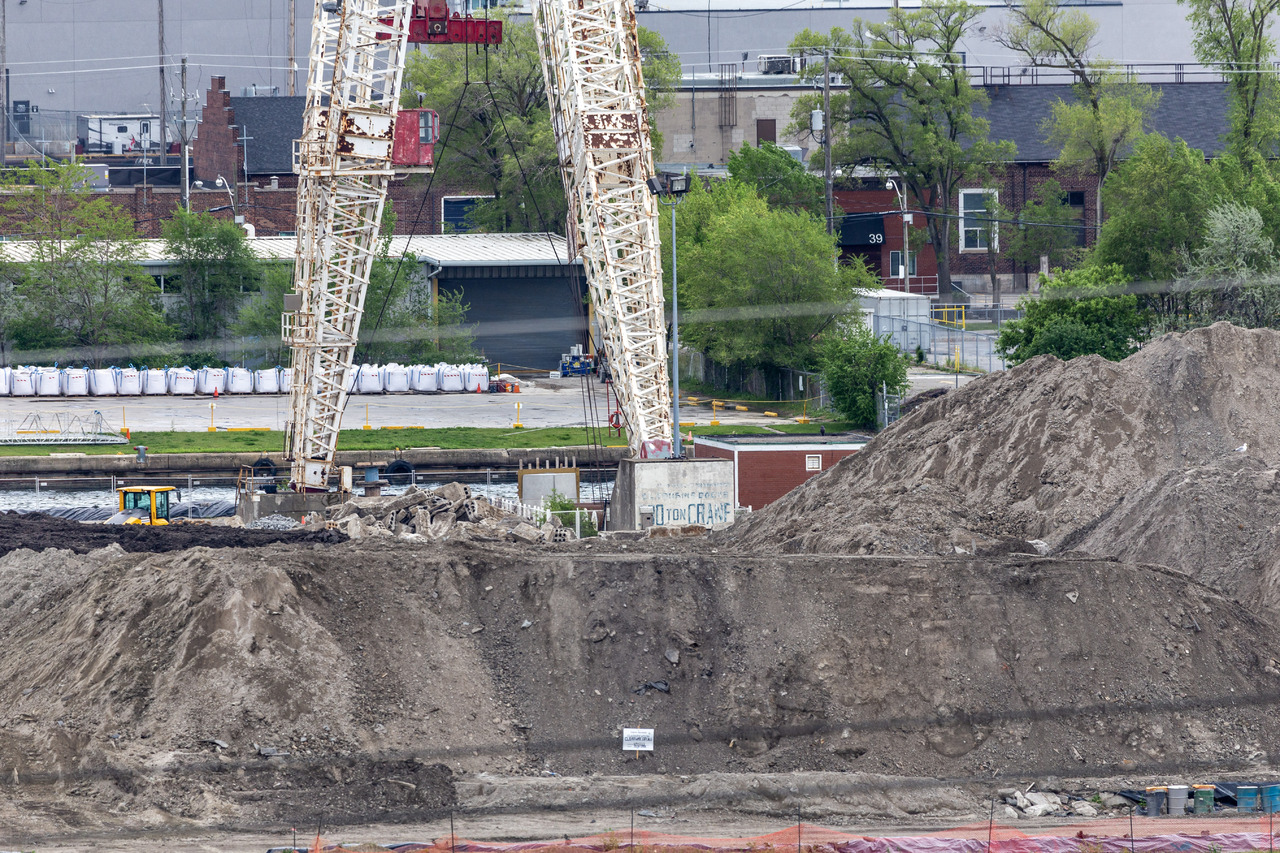
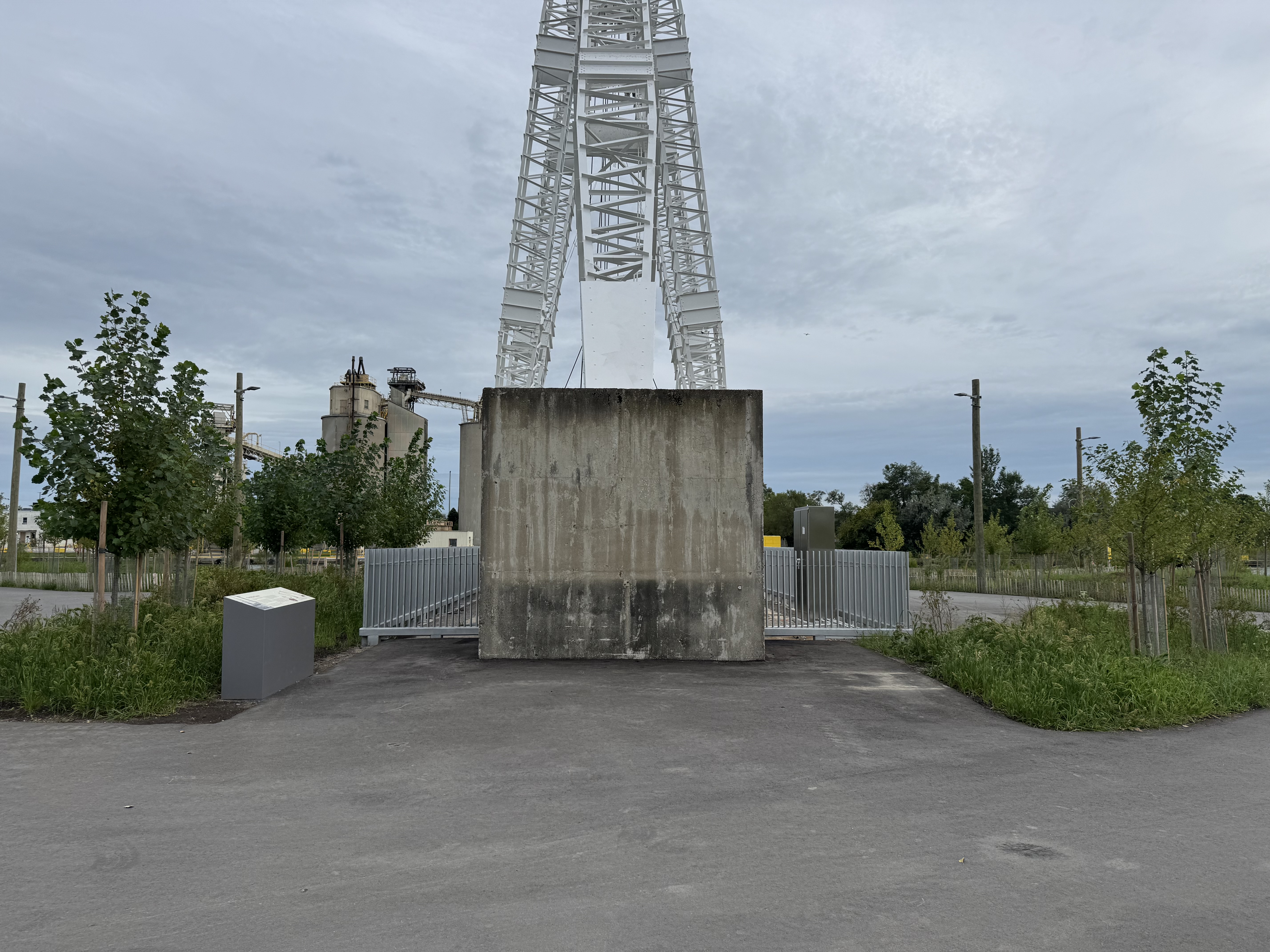
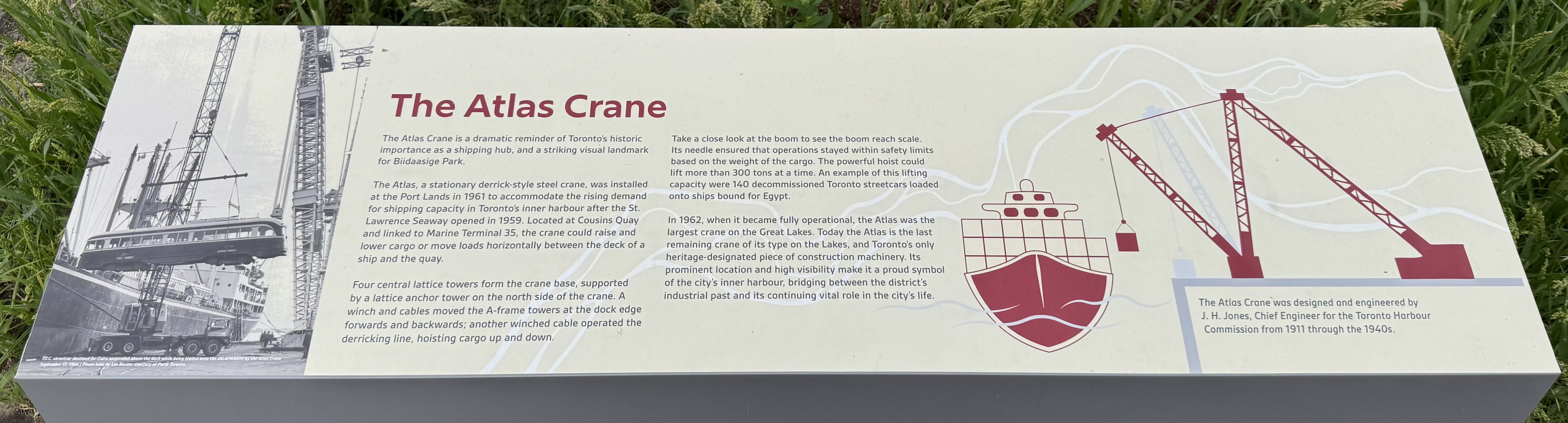
Earlier this week, I visited the newly opened western expansion of Toronto’s Biidaasige Park. Looking up at the towering Atlas Crane (a monument to the waterfront’s industrial past), I noticed the letters “DSS” subtly displayed in white-on-white metal near the top. Out of curiosity, I tried to look up what this stood for, but I couldn’t find any reference to the letters. I forgot about it for a couple days but had some time to do some more in-depth research this weekend.
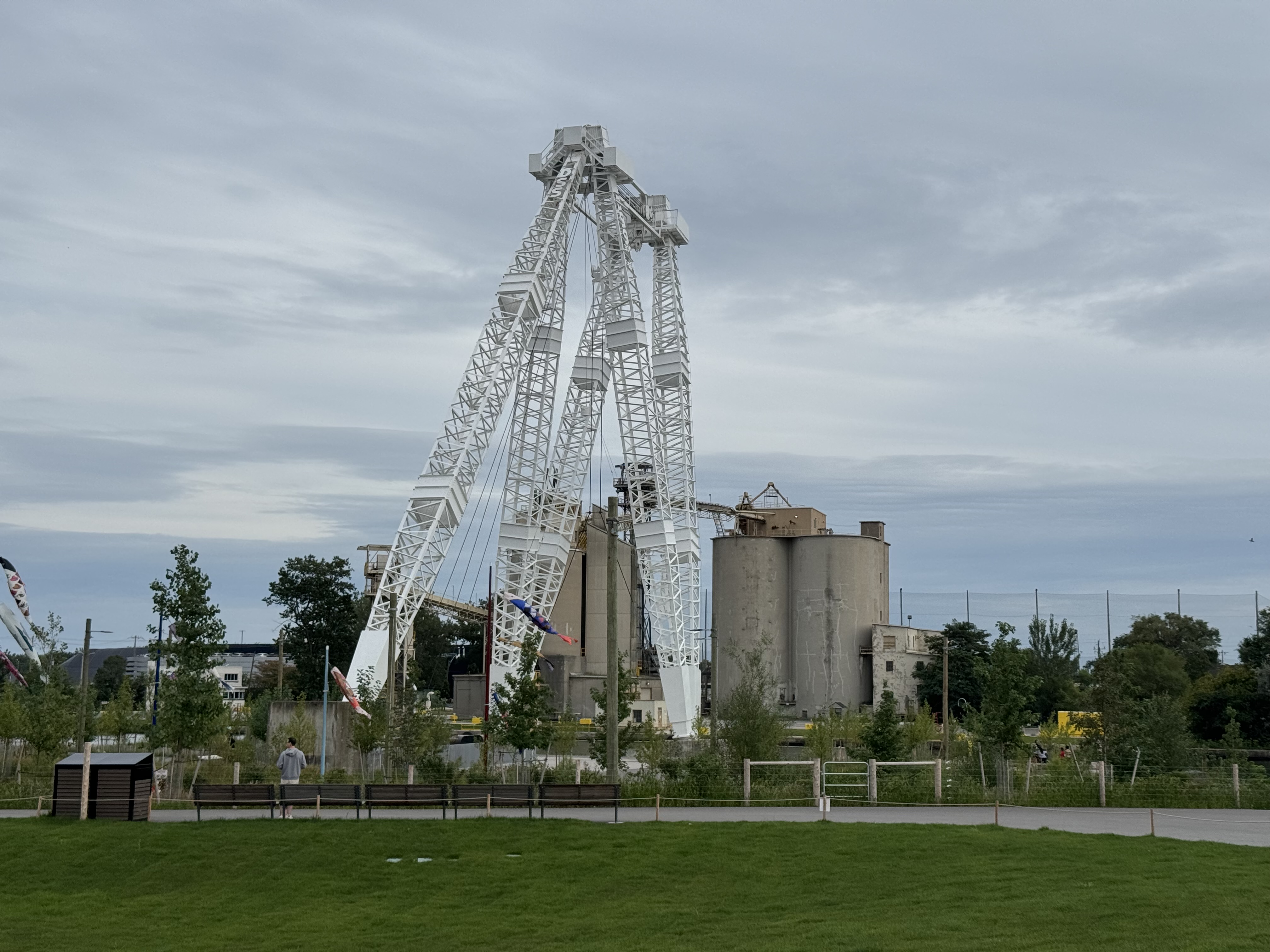
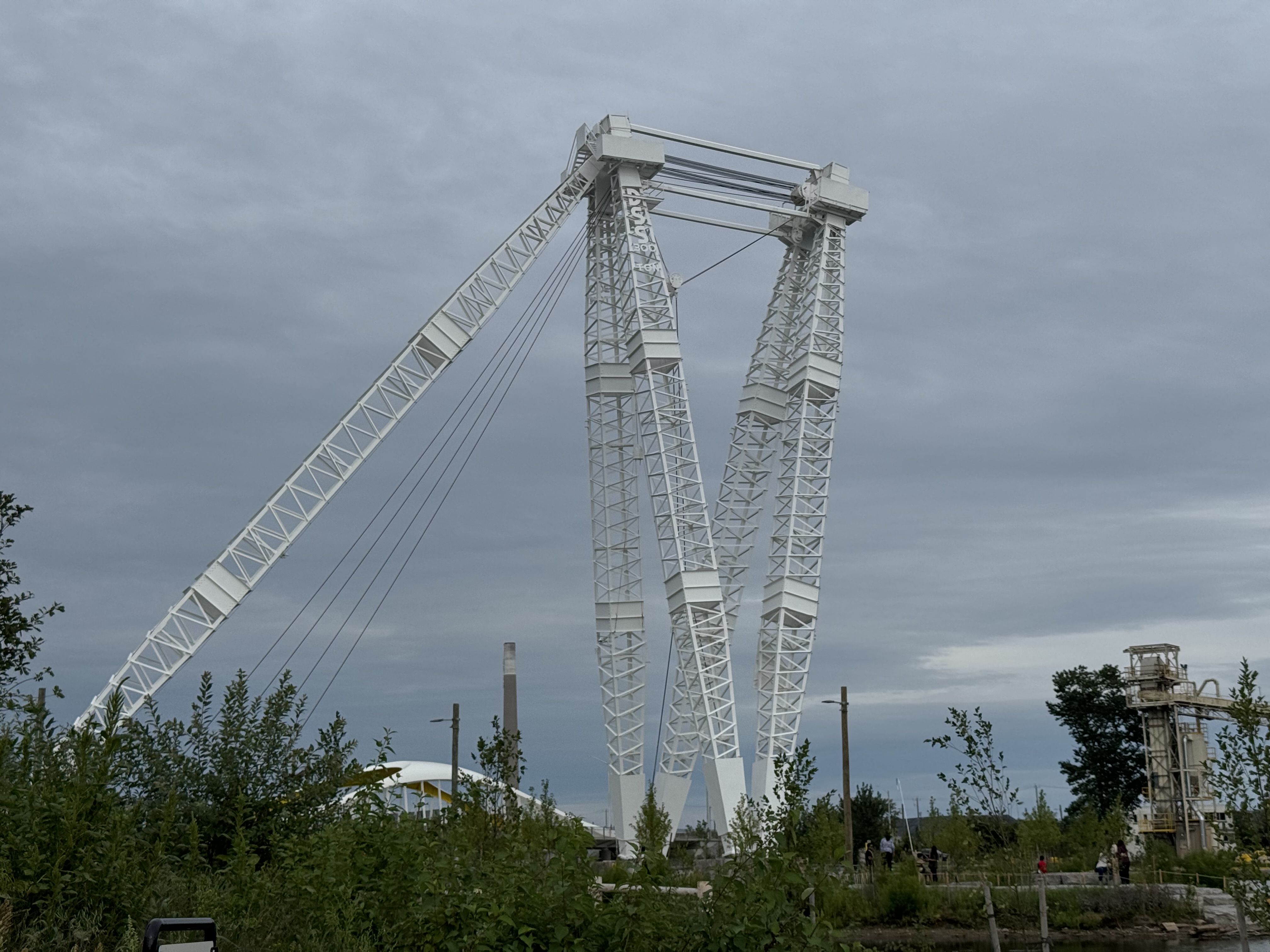
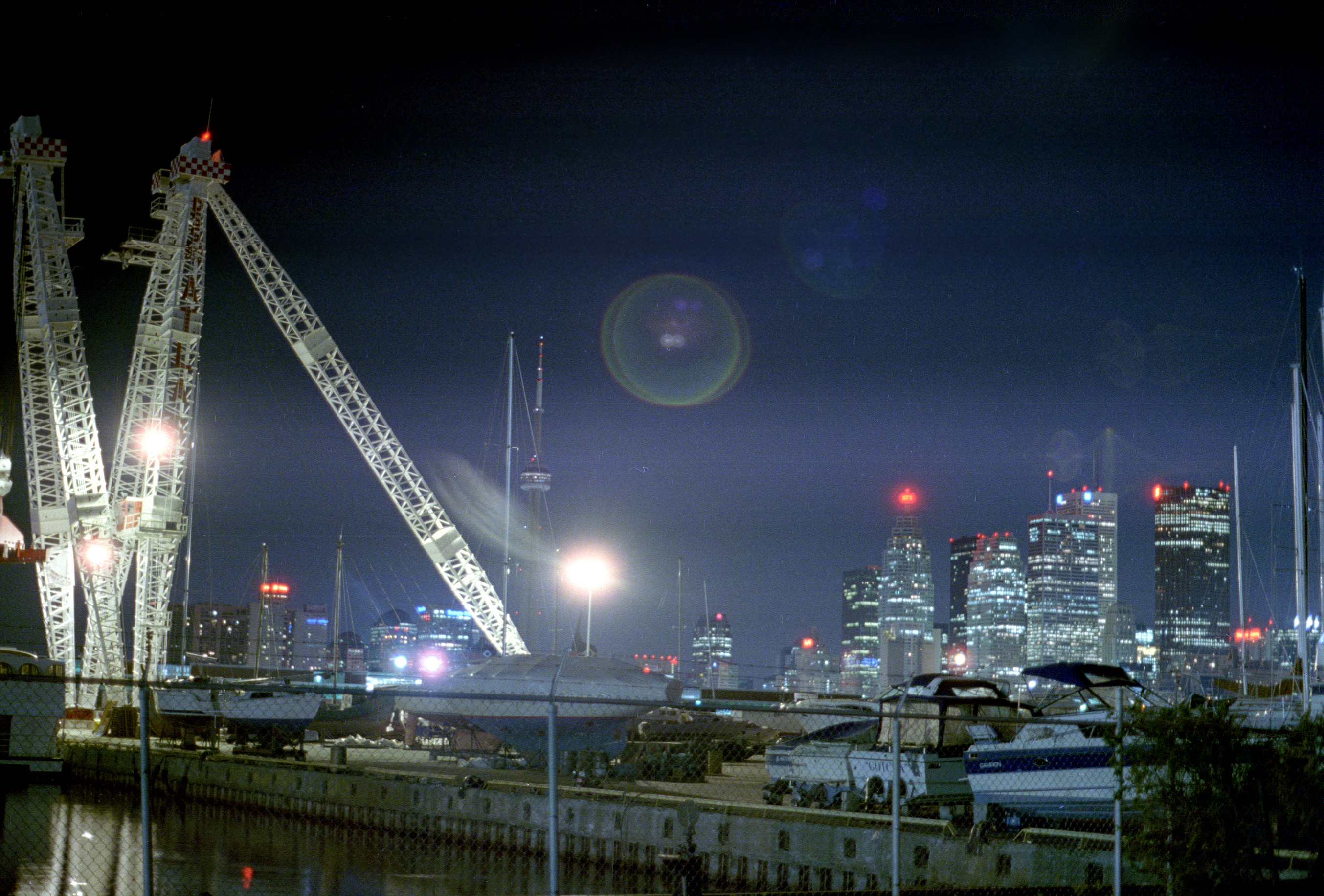
Initially, I wondered if the letters had something to do with the recent restoration of the crane, during which it was sandblasted and repainted. Old photos, however, show DSS in red lettering at the top of the crane, so I figured it was most likely the name of the owner or the manufacturer. (Waterfront Toronto’s blog post on the restoration mentions “repainting heritage features like lettering”.)
I searched for all kinds of combinations of “toronto”, “atlas”, “crane”, “dss”, “manufacturer”, “harbour”, “marine terminal 35” (the name of the facility that housed the crane), etc and turned up nothing. I looked for the 2004 by-law that had designated the terminal and the crane as heritage structures, thinking it might outline the history, but I couldn’t find it.
I had a pretty good hunch that the “D” stood for “Dominion”, just on the basis that many, many Canadian companies of the late 19th and early 20th centuries were named “Dominion Such and Such”. Some more keyword searching (“steel”, “crane”, “1961” (the year the crane’s installation began)) turned up the name Dominion Structural Steel and this image of a truck crane with that name painted on the side, but according to the caption, that crane was made by Bay City Shovels, and presumably only operated by Dominion Structural Steel. The name was a good fit, though.
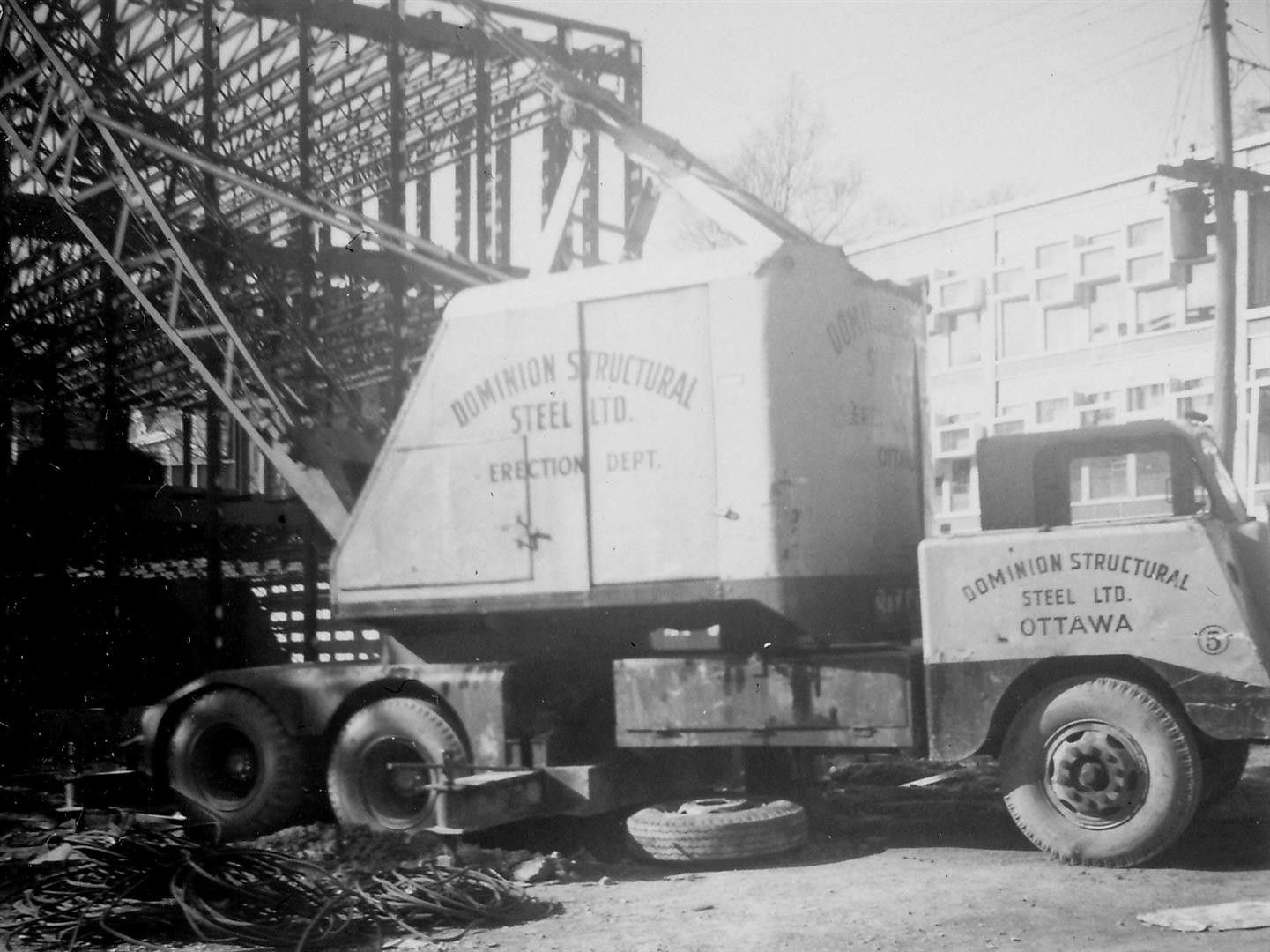
I took a break to make some lunch and, while I was doing that, figured I’d throw some ✨✨AI✨✨ at the problem, since it can read things and fan out web searches faster than I can. 20 minutes later, Claude had found the answer. I had told it my hunch about “Dominion”, and it went down a rabbithole on a couple Dominion-named companies, including Dominion Structural Steel. It found records (all from archive.org, which is a good tip to keep in mind for future research) showing the following:
-
By the mid ’50s, Dominion Structural Steel was at least 95% owned by Canada Iron Foundries.
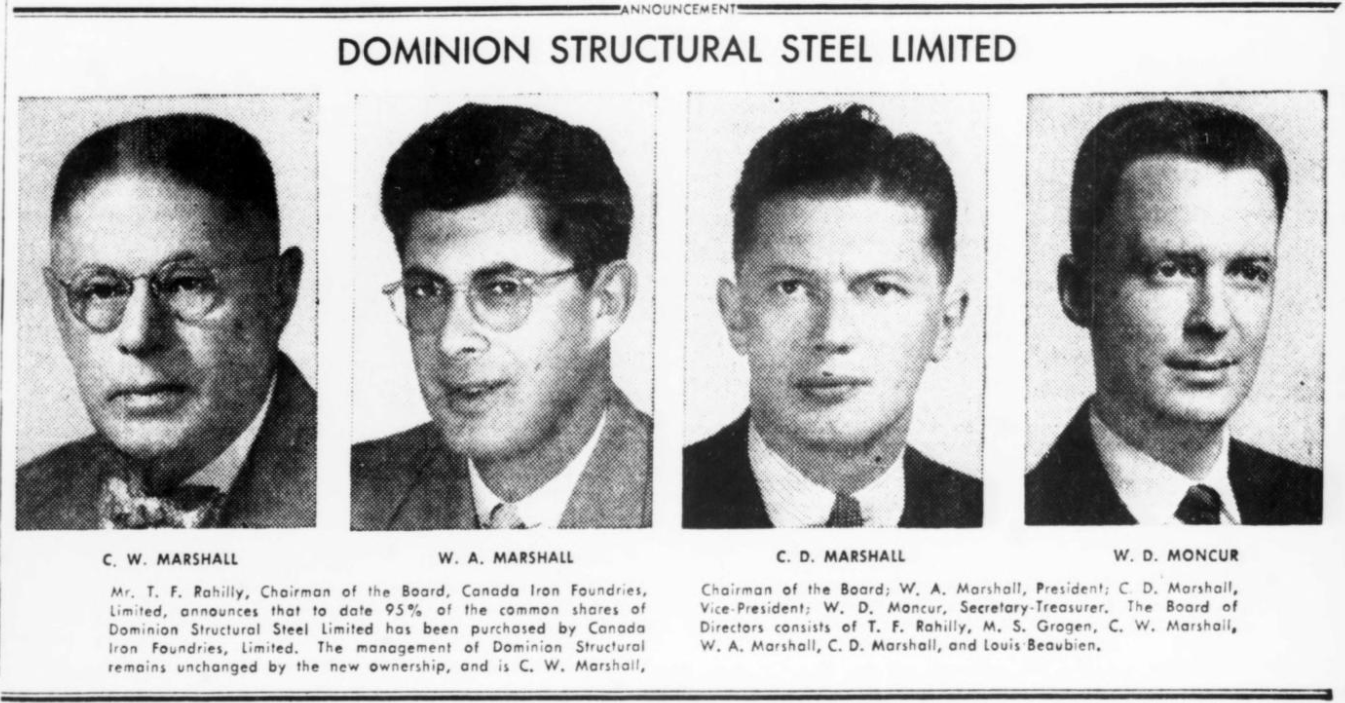
-
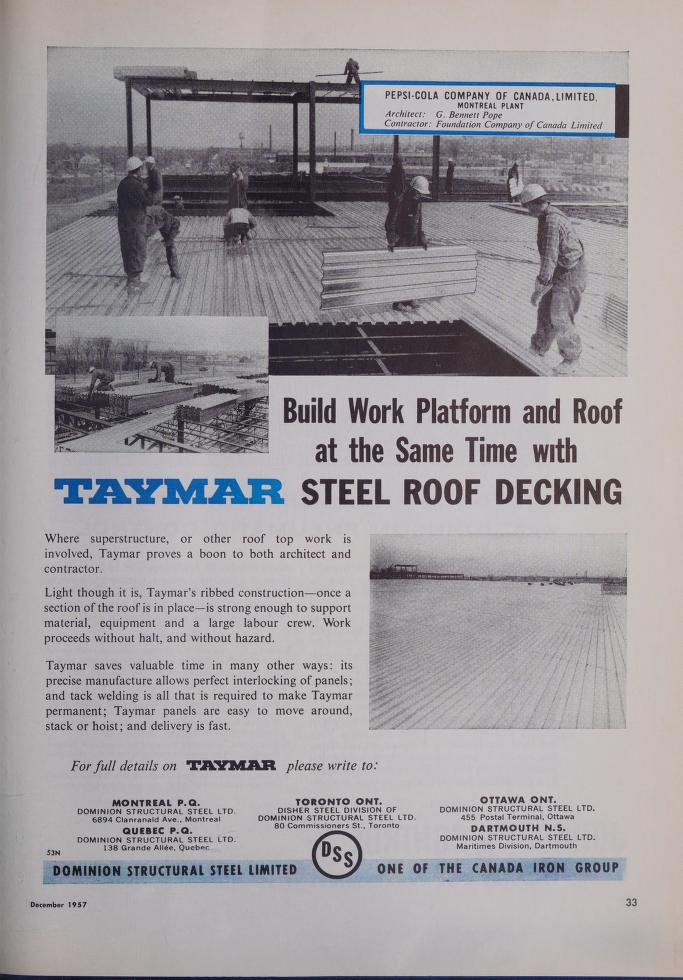
Dominion Structural Steel built cranes.
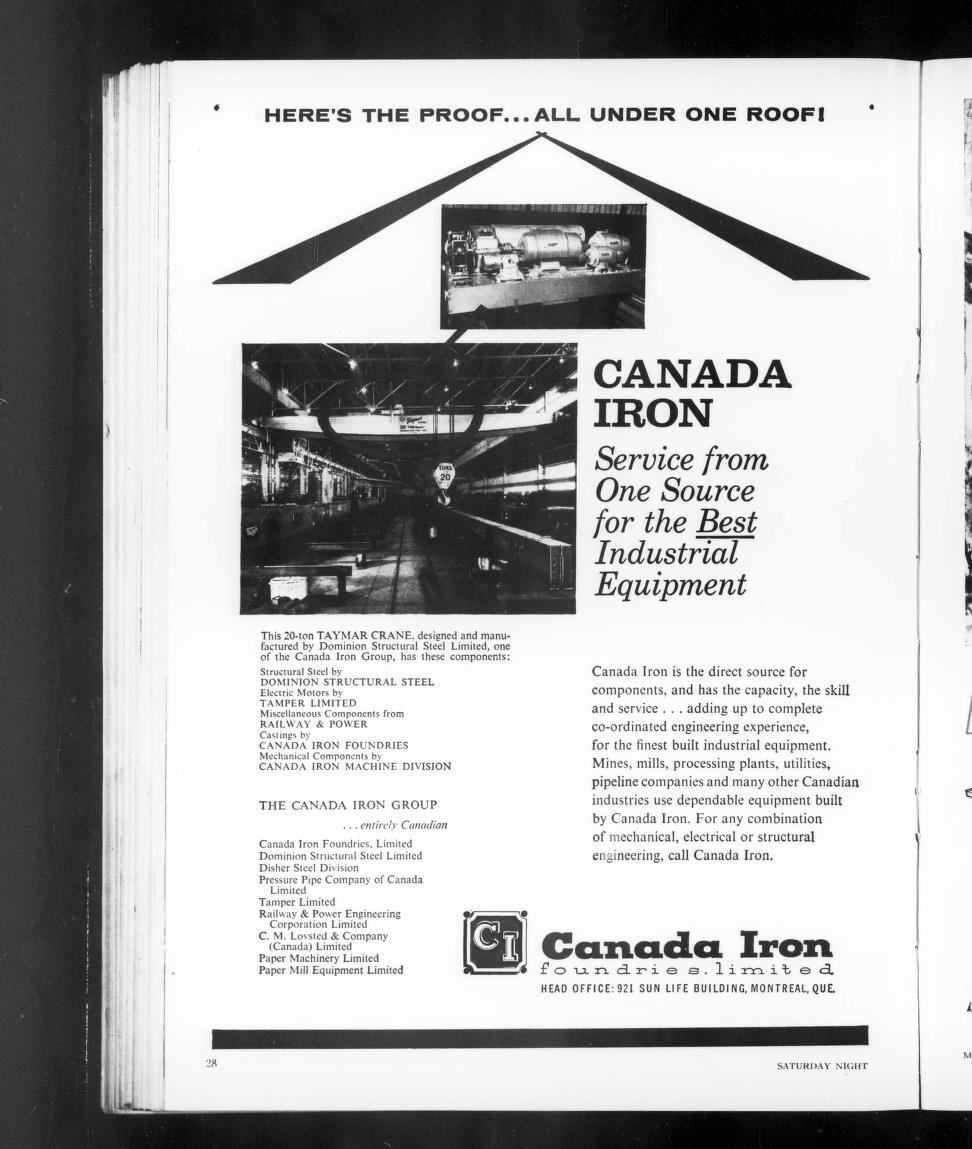
-
In 1961, the Toronto Harbour Commissioners had invited tenders to construct a 250 or 300-ton crane.
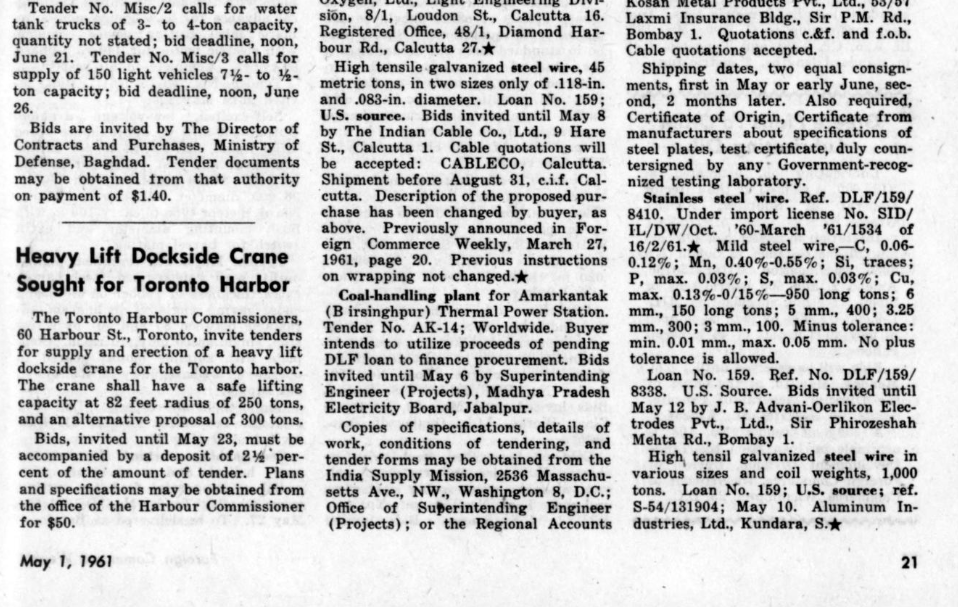
-
And finally, Canada Iron’s 1961 annual report highlighted the anticipated completion of “a 300-ton dockside crane for Toronto Harbour Commission” alongside an immediately recognizable sketch of the crane.
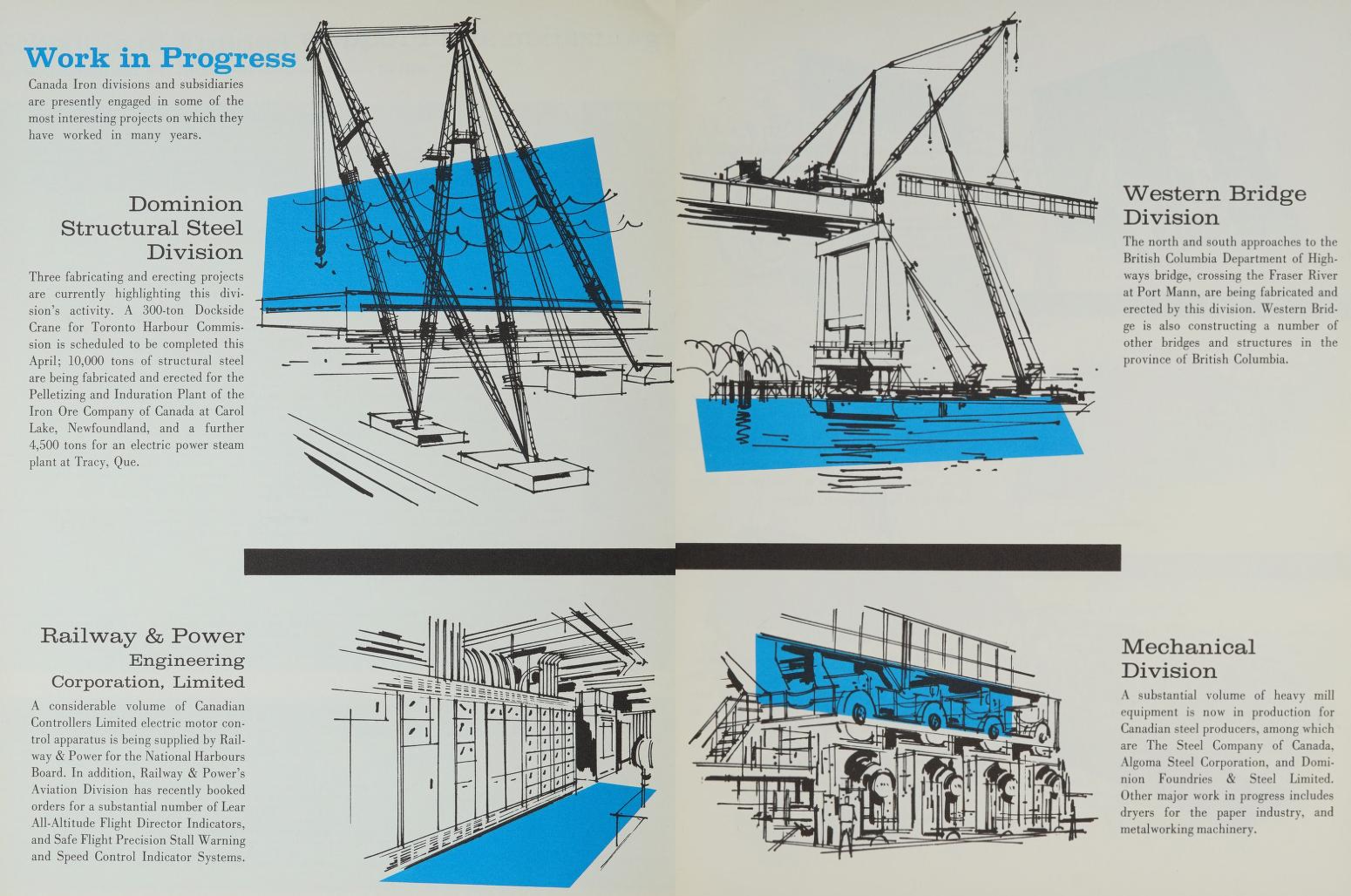
That answers it!
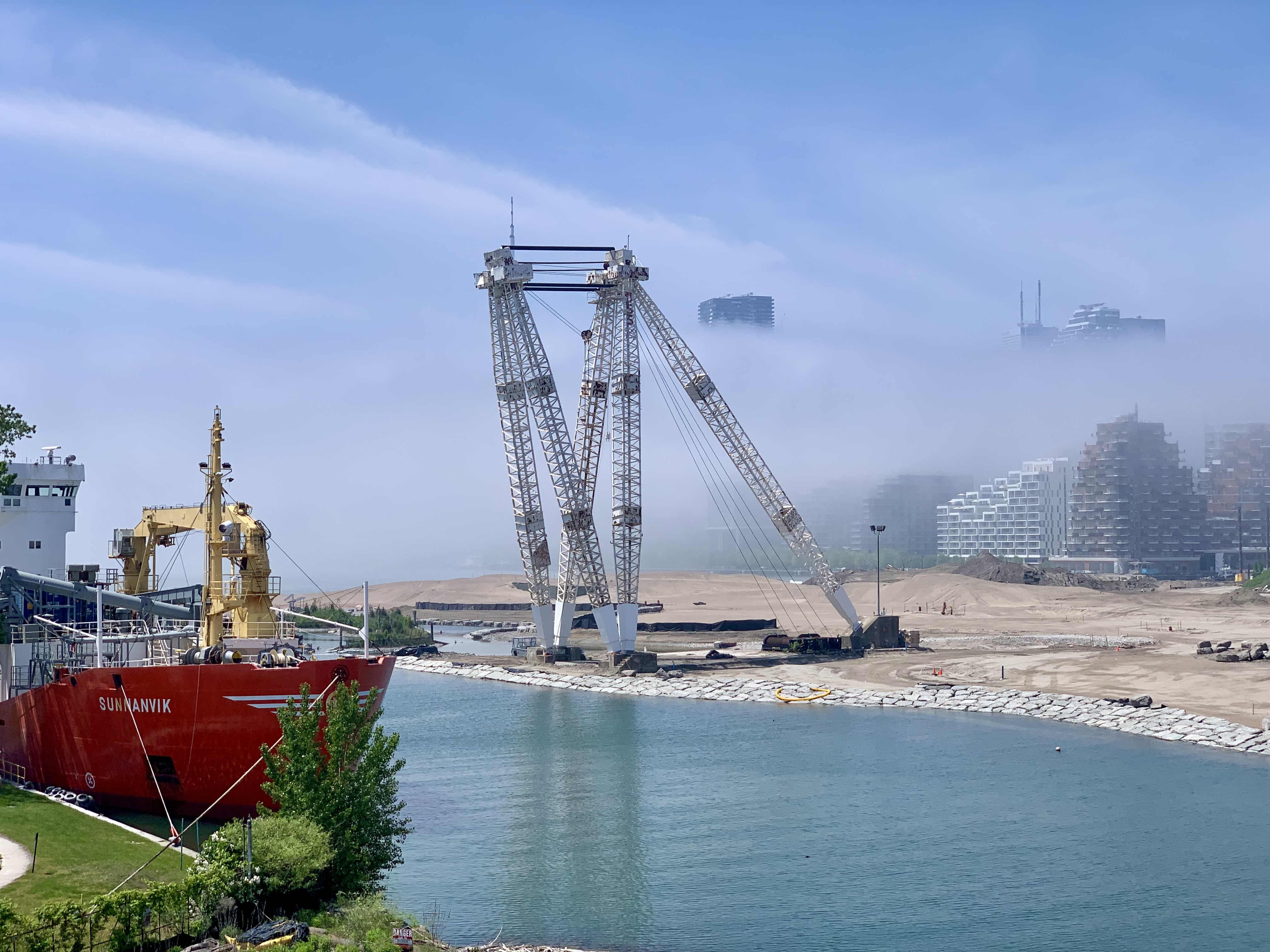
A few extra interesting photos: